
Is YouTube the Future of Late Night TV?

Shifting TV Viewership Patterns
In an era where audiences are increasingly cutting the cord and streaming content on demand at their leisure, the once-dominant format of live, full-episode late-night talk shows is undergoing a fundamental transformation.
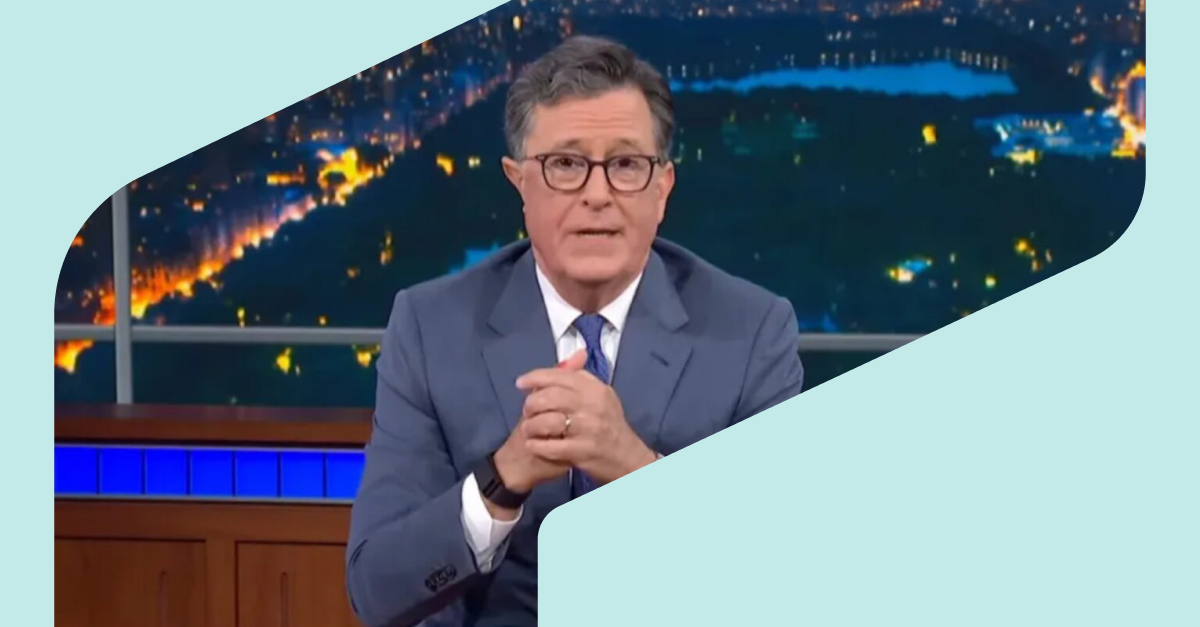
With the breaking news of The Late Show with Stephen Colbert cancellation, we see first-hand how traditional broadcast TV is giving way to digital platforms – most notably, YouTube.

The Cancellation Heard Around the World
On July 17, CBS announced that The Late Show with Stephen Colbert would be cancelled, sparking immediate backlash from fans and industry veterans alike. While the show had been a vocal critic of political figures like Donald Trump (prompting some to suggest the cancellation was politically motivated), CBS insisted the decision was driven purely by economics.
President George Cheeks of CBS laid it out plainly: The show was no longer financially viable. Advertising data backed that claim. According to Guideline, The Late Show posted an estimated $50 million loss in 2024. Nielsen ratings revealed the show averaged just 1.9 million viewers during the most recent season – down nearly 40% from its peak of 3.1 million in 2017–18.
While the show’s controversial cancellation is an inevitable sign of the times, its recently thriving presence on YouTube also speaks to how traditional broadcast TV is declining, and audiences are increasingly turning to digital viewership to consume the content that matters to them in a more convenient way than ever.
TV Ratings Down, YouTube Views Up
Even as its live television viewership shrinks, The Late Show thrives on YouTube. In June 2025, the show’s YouTube channel amassed 73.5 million total monthly views. Its long-form videos averaged a robust 586,484 views per video over the prior 90 days.
To put that into perspective:
- The Tonight Show with Jimmy Fallon averaged just 309,832 long-form views per video, with 59.5 million total monthly views.
- Jimmy Kimmel Live did even better in average long-form views—848,184 per video—but still trailed Colbert in total channel viewership.
The data speaks volumes: traditional late-night content isn’t dying, it’s migrating.
The Changing Economics of Late-Night
The shift away from linear TV viewership poses an existential question for networks. Stars like Jimmy Kimmel have openly admitted concern that the entire late-night genre may be on its last legs. And the truth is, current YouTube revenue models can’t yet replace the tens of millions in lost TV advertising.
But that may change. As advertisers increasingly follow viewers to digital platforms and adapt their budgets accordingly, the economics of YouTube could start to bridge the gap. While monetization on YouTube doesn’t yet match broadcast TV’s historical profitability, the platform offers something more valuable in the long term: sustainable, growing engagement from younger, global audiences.
And this shift isn’t limited to just traditional late-night TV. “Late-night” style content is alive and thriving on YouTube, and not in the traditional network format. Instead, it’s happening in new-age, personality-driven shows that prioritize authenticity, virality, and multi-platform reach over TV ratings.
Popular shows like Hot Ones, Call Her Daddy, and Chicken Shop Date are prime examples of YouTube-native or YouTube-dominant, talk-style formats that aren’t necessarily built for mass TV, but have still found massive success. Traditional networks pass on formats like these because they didn’t “fit” the primetime mold. But on YouTube, there’s no time slot, no censors, and no gatekeepers – just audiences hungry for realness, novelty, and community.
A Digital Future for Late-Night?
The decline in traditional late-night television shouldn’t be seen as a death knell, but rather as an evolution. CBS’s decision may have closed one chapter for The Late Show, but its continued popularity online suggests that both the brand and the format still resonate.
As YouTube continues to dominate the video landscape and networks recalibrate their content strategies, we may soon see a future where talk shows are born not in studios built for television, but in ones optimized for streaming platforms. The desk, the monologue, the celebrity interviews – all of it might be reimagined for a digital-first generation.